A municipality has an outdated wastewater lift station. The pumps are coming to the end of their useful life, the controls need modernization as well as the access hatch has degraded. But the concrete wet well remains structurally sound.
Do you think the station should be demolished and rebuilt? Not necessarily. The more important issue is whether the existing infrastructure is able to support a modern pumping system with no compromise in reliability, maintenance access or capacity in the future.
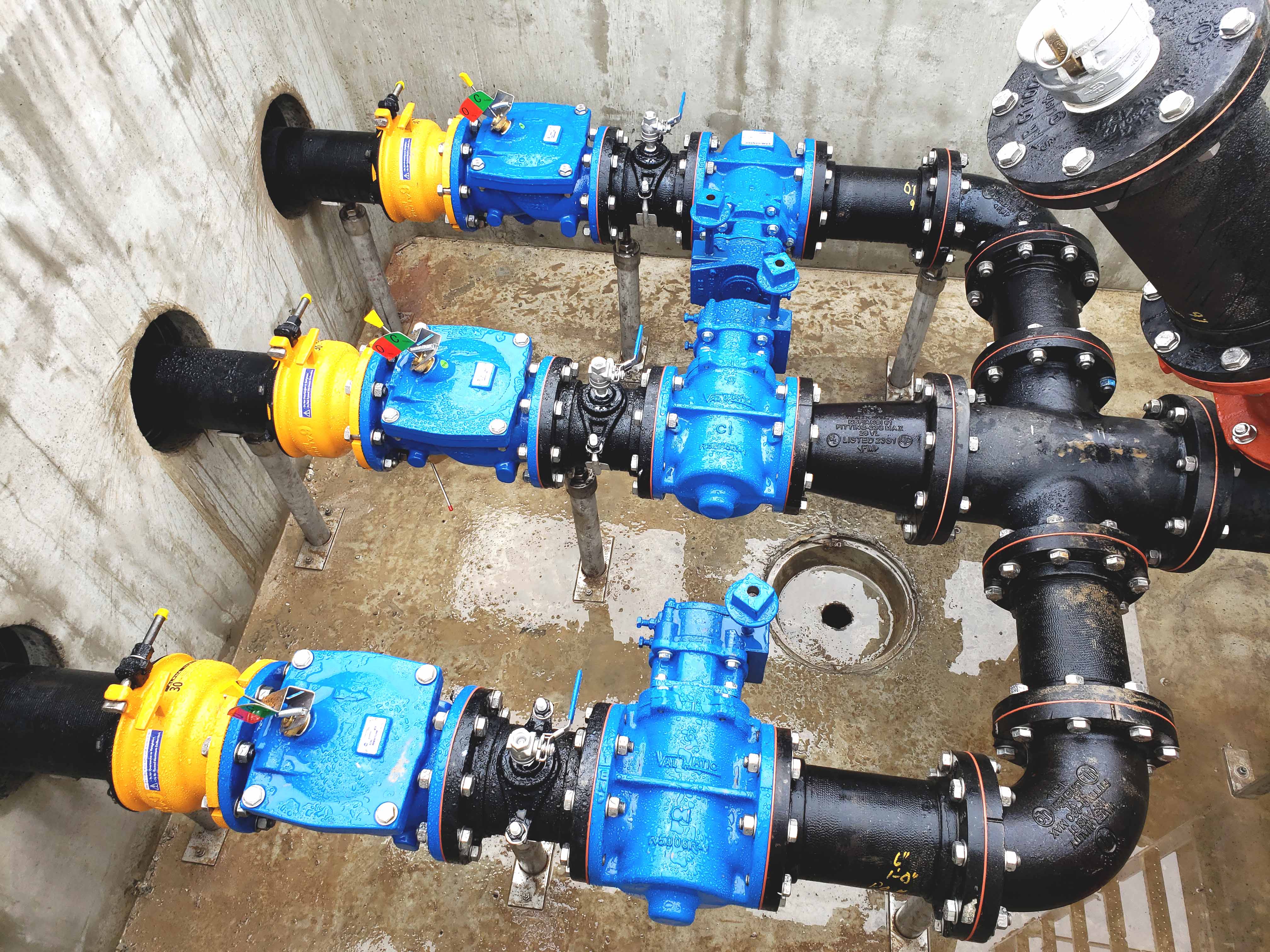
Image credit: romtecutilities.com
Retrofitting a pump station can be an excellent way to preserve infrastructure and replace components which are no longer in use.
Start with the structure isn’t being replaced by anyone.
The wet well can be one of the most expensive and challenging components to replace as it is located underground, linked to existing pipes, and crucial to the collection of wastewater.
A concrete structure that is still usable could minimize the digging and construction.
However, deterioration around the access hatch can make the choice. Romtec Utilities says that wet well hatches are usually replaced as part of retrofits. Rather than attaching a new hatch to a damaged concrete structure or replacing the entire top slab may be a better option. This approach can improve access and improve the functionality of the structure without re-building the entire wet well.
A new pump improves the engine
Consider a neighborhood that has experienced a significant growth since the installation of its lift station. The current pumps might not be sufficient for increased flows of wastewater.
A pumping station upgrade could involve higher-horsepower pumps, but equipment selection cannot happen independently of the surrounding system.
Engineers should also consider the hydraulic needs of the system. This is a consideration for flow as well as total dynamic pressure. Installing a larger pump without evaluating the situation can cause more problems than it resolves. Planning for future capacity when you are making the initial design process can help later expansions to be much easier.
Make sure the wastewater is moving during Construction
Retrofitting a wastewater pump station presents a problem that normal replacement of equipment projects do not have to face: the pump station could require a continuous operation throughout construction.
Contractors continue to work, and the wastewater will continue to flow. According to the plan an interim bypass pumping system is needed to keep service running while the equipment that is in use is removed or new components installed.
Romtec Utilities was able to address this kind of issue at the Federal Law Enforcement Training Center in Brunswick, Georgia.
The project required the replacement of two older wastewater lift stations in the process of maintaining operation at the facility. The project was able to adapt to existing station footprints as well in operational requirements, using site-specific engineering and integrated replacement systems. The scenario illustrates the importance of focusing on construction sequencing before the construction process starts.
When replacing is the most efficient option
There are many stations that can be rehabilitated. Sewer lift stations might have to be rebuilt for a damaged or insufficiently functioning wet well. structural capacity.
It is important that the choice taken into account structural conditions, equipment compatibility and accessibility to construction, as well being long-term operational needs. Romtec Utilities begins retrofit and replacement projects by determining what components will remain and which ones require replacement.
From there, the company designs site-specific engineering solutions as well as preliminary designs and budgetary estimates. Prefabricated components can assist in facilitate installation and help reduce the amount of construction work that is required on site.
The Project Isn’t Finished When the Pumps Start
Modern lift stations have to be operated as an integrated system. Prior to returning it back to normal service, it is necessary to start testing and commissioning ensures that the controls, pumps, and other equipment are operating according to the established design.
Manuals for maintenance and operation, as well as instruction for operators are important. Before taking over responsibility for a station, maintenance personnel must be aware of the latest equipment, procedures and documents.
A successful retrofit helps preserve infrastructure that still has value while addressing the issues that forced modernization.
This means that municipalities and owners of facilities need to consider more than just immediate repairs. The most successful projects incorporate the latest equipment with the existing structures. They provide essential services while construction is underway and set up the pumping system to last for a long time.