The color can be just what the buyer wanted, but extended wear reveals a problem with cap comfort. A natural-looking front is welcome, but another customer finds a daily twenty-minute lace routine too time-consuming. For a third buyer, the visual appeal is not the issue. It is the unanticipated weight created by the wig’s density.
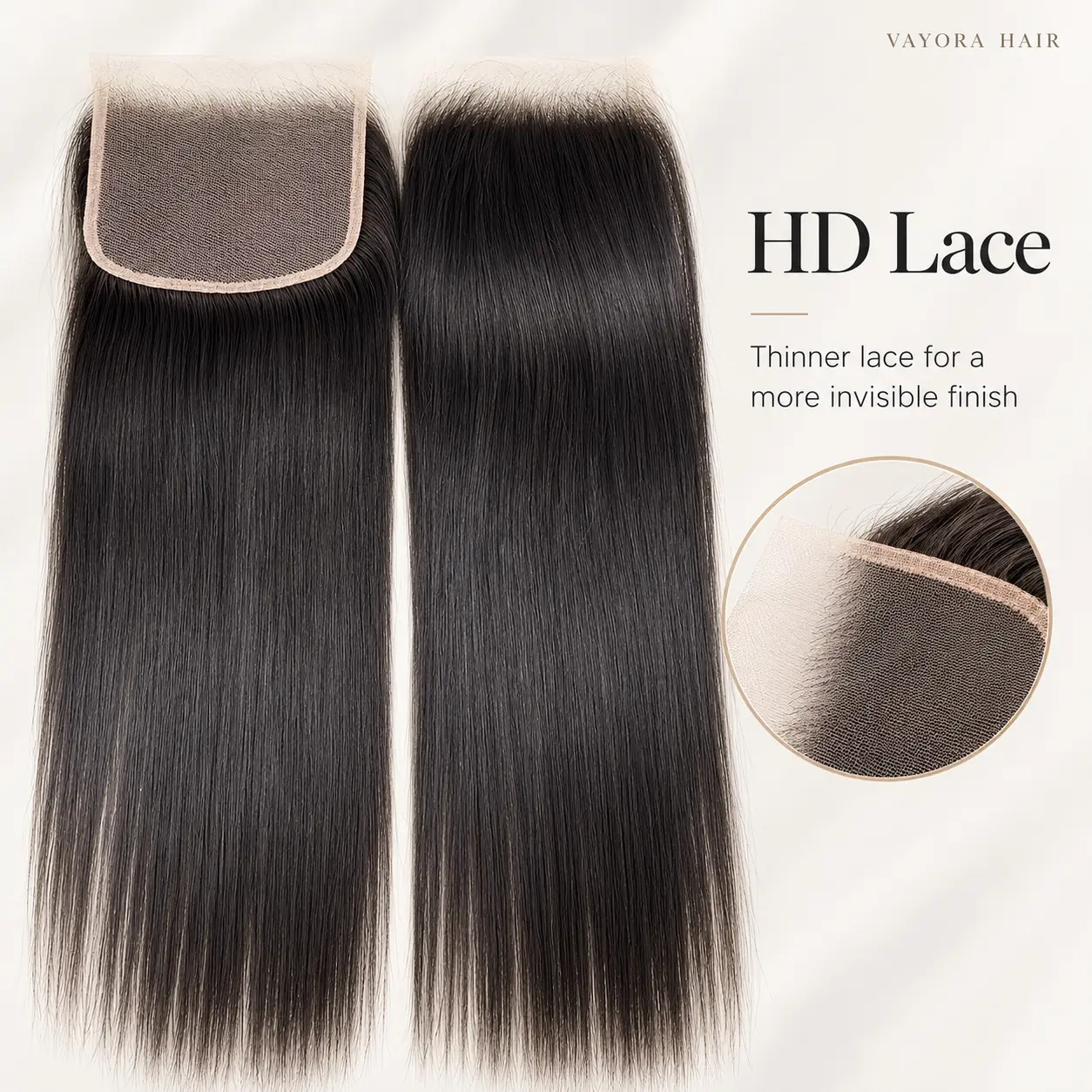
Image credit: vayorahair.com
To a wig business, these observations represent something beyond ordinary reviews. Such observations can guide the development process toward products that deliver a better experience for wearers.
Building a successful collection involves more than responding to the newest hair trend. A collection should begin with the customer’s expectations and the experience they want when wearing the unit.
Listen Beyond the Sale
Buyers do not usually use factory-specific terms to explain what they need. The language customers use reflects practical priorities: comfort, convenience, appearance, and confidence. When a buyer asks for an easier start to the day, a glueless approach may be worth exploring. An unconvincing hairline may signal a problem with how the lace looks, knot treatment, density, or the way the part is designed.
The human hair wig manufacturer China brands select should convert such practical concerns into specific, measurable product requirements.
Rather than asking for a 22-inch body-wave wig alone, a buyer can outline the desired wearing experience, cap fit, lace construction, the look of the hairline, and finished weight. Such specificity provides the development team with a clearer objective.
Give Your Private Label Range Its Own Identity
Many emerging wig brands make the mistake of building their catalogs around whatever products are currently popular. The outcome may be a product lineup that looks almost indistinguishable from those of competing stores.
To build a more coherent identity across its products, a brand can collaborate with a private label wig manufacturer China retailers work with. The identity might be expressed through a lightweight everyday collection, a premium natural-hairline line, or ready-to-wear products intended for customers who prefer minimal preparation. The same customer promise should guide texture, length, color, density, cap construction, and packaging. Rather than relying solely on short-term discounts, a recognizable collection offers shoppers another motivation to shop again.
Look Beyond the Glueless Label
A glueless label may be simple, yet how the wig feels during wear is shaped by several construction details. Cap sizing, adjustment features, attachment components, lace preparation, and hairline design all influence how comfortably and securely a wig fits.
A glueless wig manufacturer China buyers choose should help clarify these requirements before production begins. A brand serving new wig wearers, for instance, might focus on manageable density, pre-cut lace, and simple adjustment features. Different ways to customize the unit might be necessary in a collection aimed at professional hair stylists. One approach is not inherently superior than the other. Each is intended for a different wearer.
Help Preserve Your Brand’s Reputation Through Sampling
Even a clear product image provides only part of the information about a wig. Evaluating the unit means looking at cap fit, hair movement, color accuracy relative to expectations, and whether the final construction follows the approved design. The sample stage creates an opportunity to notice inconsistencies ahead of a larger production order.
For a wholesale human hair wigs supplier, documented specifications and quality-control procedures are especially important when the same style must be produced repeatedly. The success of the first batch may be hard to reproduce without well-established references.
Design Your Collection for Future Growth
VAYORA works with B2B wig brands, retailers, and distributors to support product development, private label services, sampling, specification control, and repeat-production workflows. The approach connects customer expectations to the physical features that shape the wig’s appearance, fit, and feel.
A catalog expansion should follow a careful review of customer feedback, identification of the strongest product opportunities, and establishment of explicit approval standards. The next collection’s success may have little to do with the number of additional styles. Instead, success may come from reducing compromises in the styles customers already want.