In British households bread has always been an integral part of the daily life. Bread is an essential element in almost all routines, whether it’s breakfast toast or quick lunches for work. As people become more aware of their diet, they are considering whether the traditional bread is actually helping them achieve their health goals. Breads that are commonly sold in supermarkets often have significant amounts of refined calories and carbohydrates. This can make it more difficult for dieters to adhere to diets that are designed to reduce weight, control blood sugar levels or stick to a strict eating regimen. The shift in perception has led to a need for better alternatives such as low-carb breads, which provide familiarity without nutritional drawbacks.
Fitbakes responds to this need with an unison loaf that is suited to the modern lifestyles that are healthier. Their bread recipe doesn’t require people to quit bread but provides an alternative that is balanced and can easily be integrated in modern meal planning. The texture is still comfortable and soft making it easy to change your diet without feeling like you’re sacrificing something. Healthy eating is now more sustainable for many Americans.
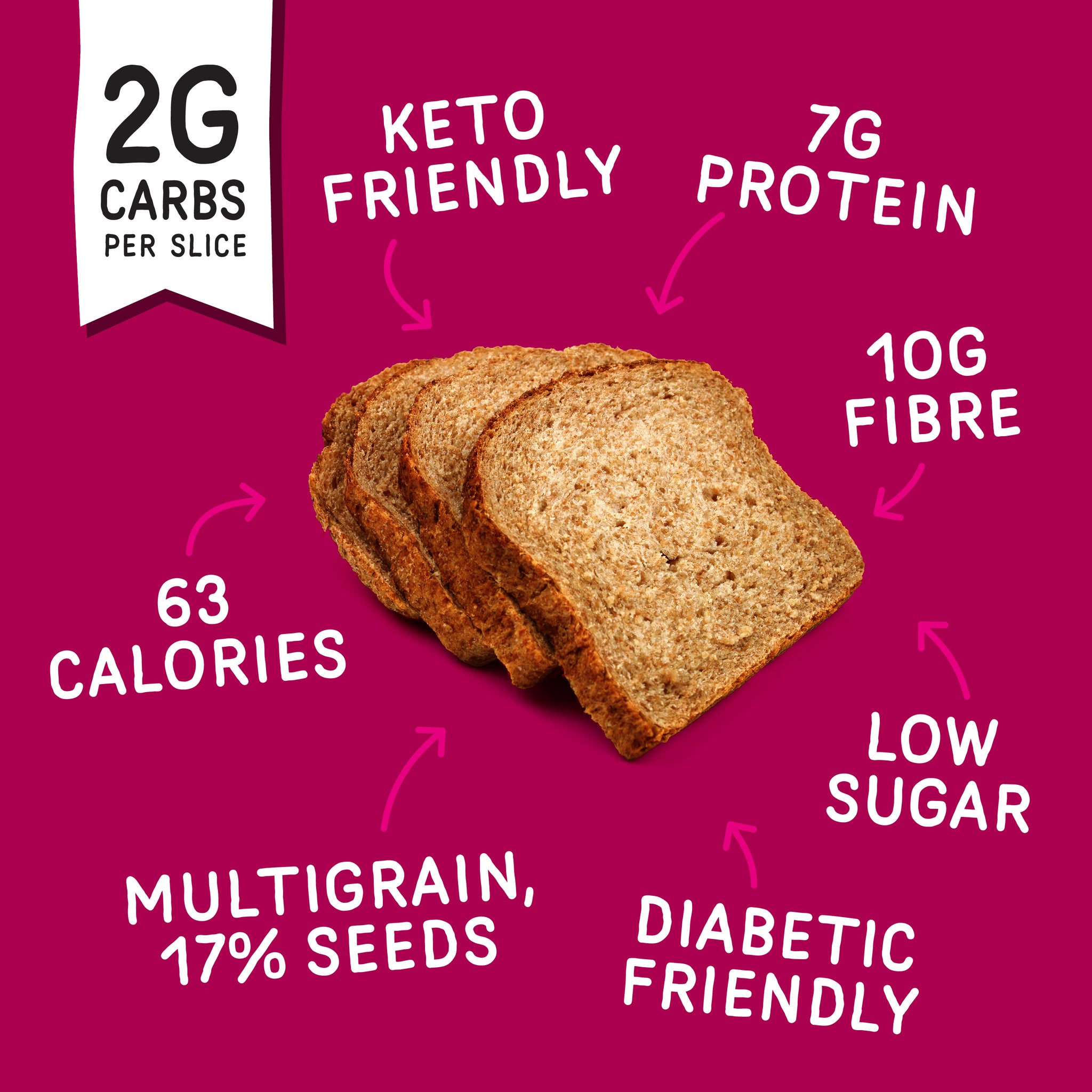
Image credit: fitbakes.co.uk
The importance of nutrition is greater Than Ever
The contemporary eating pattern is founded on convenience. However, these convenience foods often contain excessive amounts of calories and carbohydrates. These ingredients trigger rapid blood sugar surges, which are then and then energy drops that may lead to cravings. This process can be managed by choosing low-calorie bread, that is lighter but still provides satisfaction without exceeding the daily calories goals.
The balance of nutrition in a loaf allows for regular meals to be enjoyed with no constant compromise. Instead of reorganizing an entire diet, changing just one product can significantly decrease overall consumption of carbohydrates. This method is especially beneficial for people with diabetes, people who follow prescribed weight loss programs or those who are trying to reduce processed food consumption. small changes in the food we eat tend to yield significant long-term advantages.
Promoting Low-Carb and Keto Eating Trends in the UK
Low-carbohydrate, ketogenic diets are becoming increasingly popular because they help to stabilise energy levels as well as encourage the body’s use of stored fat. Finding bread substitutes that do not feel artificial or dense is one of the biggest challenges faced by people who adopt these lifestyles. There are many bread alternatives that lack the texture we are used to eating, which can make food less enjoyable and difficult to sustain over time.
The growing availability of Keto bread UK options has made this transition much easier. A well-crafted keto loaf offers the structure required for sandwiches and toast while keeping carbohydrate content significantly less than conventional bakery items. The keto loaf lets you to enjoy your favorite meals and still meet your nutritional needs. Having healthy alternatives available simplifies healthy meals and eliminates the requirement for convenience food.
Fitbakes created a loaf to enhance this lifestyle by focusing both on functionality and flavor. The result? A bread that is a staple and blends perfectly with diet plans.
A Versatile Loaf for Everyday British Meals
A healthier loaf needs to be more than nutritiously healthy; it also needs to be adaptable enough for a range of different meals. Bread is rarely eaten on its own, so flexibility is vital. A bread loaf that is flexible can be utilized for a variety of uses, including preparing breakfast, lunch, or dinner.
This kind of low carb bread performs well in everyday circumstances. It toasts evenly for breakfast, holds sandwich fillings securely during lunch, and goes well with soups and vegetables for dinner. Its neutral flavor is perfect for both sweet and salty toppings. This makes meals be enjoyable without having making major changes to the recipe. A familiar texture can also make you feel more satisfied and stop overeating.
For families who are trying to improve household eating habits, simple substitutions of ingredients like this can make a noticeable difference without needing drastic menu changes.
Making Sustainable Changes Without Sacrificing Enjoyment
Extreme diets are ineffective since they eliminate favorite foods completely, which creates feelings that are hard to sustain on a long-term basis. Sustainable eating plans focus on sensible changes that fit easily into everyday life. Replacing traditional bread with low calorie bread allows individuals to keep their regular meals and make better nutritional choices.
This strategy encourages improvements over the long term and not just short-term cycles. With time, improved metabolic health can be achieved by reducing carbohydrate consumption, improving portion control, and stabilizing energy. When healthier options still taste good, maintaining consistency is easier to maintain and motivation stays strong.
Fitbakes recognizes that healthy consumers want practical solutions rather than intricate dietary rules. They help people achieve equilibrium by offering a bread that offers a mixture of taste and texture, as well as improved nutrition.
Choose wisely for today’s conscious consumer.
The demand for food that is a blend of functionality and nutritional value is continuing to rise as more UK consumers put a higher importance on health. Keto bread UK customers are no longer content with boring options; they are looking for items that feel real and do not feel like compromises. A properly-designed bread will satisfy this demand, delivering the familiar taste and texture while also aligning with the ever-changing dietary requirements.
Fitbakes approach is a reflection of this trend in everyday nutrition. Their loaf is easy to fit into busy schedules and supports the latest health standards. For anyone looking to reduce carbohydrates, manage calorie intake, or explore lower-carb living picking a healthier bread can be a simple yet impactful step toward better eating habits.