In order to increase efficiency and performance of engines, fuel quality plays a vital role. In time diesel fuel may become impure, such as sediment, water and microbial growth which can adversely affect the operation of engines and result in costly repairs. Polishing the fuel is an excellent method to ensure that engines run without a hitch and to combat contamination of fuel.
Fuel polishing is also called polishing of diesel fuel. It is the process of getting rid of impurities and contaminants from diesel fuel. It is a service that is offered by professionals who employ modern techniques and equipment to make sure that the fuel is returned to its original condition. Polishing fuel can improve the performance of engines it reduces maintenance costs and extends the life of equipment by eliminating harmful substances and improving the quality of fuel.
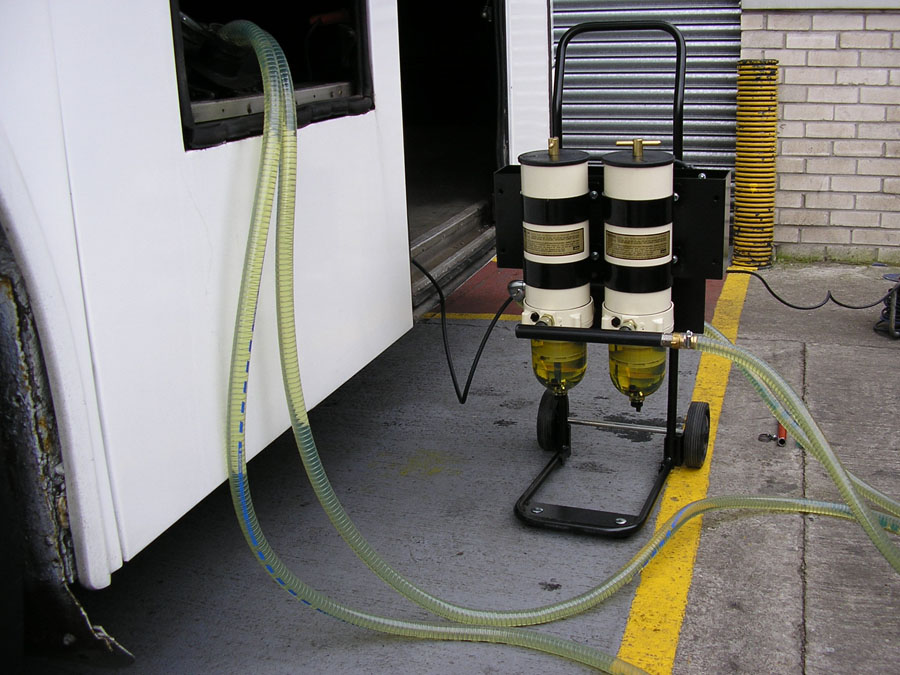
Fuel polishing is available in a range of options to meet the diverse requirements of businesses that rely on diesel. These services are provided by skilled technicians who have been trained to the highest standards and are experts in fuel systems, who are aware of the complexity of contamination in fuel. They are able to identify fuel problems using their specific equipment and in-depth understanding.
Fuel polishing is a process that has as its main goal the removal of water, sediments microorganisms, sludge and sludge from diesel fuel. Due to condensation and leakage in fuel tanks there is a tendency for water to build up leading to corrosion and degrading the fuel. Additionally, it encourages the development of fungi, bacteria and other microorganisms. Sludge and sediment may be caused by impurities within the fuel, or by the gradual degradation of the fuel components. These contaminants can clog filtering and injectors leading to decreased engine performance.
Polishing the fuel usually requires several steps. The process starts by conducting a fuel analysis and sample to determine the level of contamination and the most effective method of action. After the analysis, technicians use filtration systems in order to remove impurities, contaminants and other pollutants from the fuel. These systems use a variety of filtering technologies and media to efficiently capture and remove contaminants from fuel.
Regular fuel polishing offers several key benefits. First, it improves the quality of fuel, which guarantees engines receive clean and consistent fuel that will allow them to burn optimally. It also improves fuel economy as well as performance. This leads to reduced emissions and cost savings. The process also reduces the likelihood of engine failures and the damage caused by gasoline that is contaminated. Removal of harmful substances helps maintain the integrity of engines, increasing their lifespan and reducing the need for repairs. For more information, click Fuel polishing
Regular polishing of diesel fuel (also referred to as polishing diesel) offers many benefits in keeping fuel quality. Firstly, it helps to remove water, sediment, and microbial contaminants that can hinder the performance of engines. Polishing the diesel improves the quality of fuel by removing impurities. Improved combustion efficiency is a result of increased fuel efficiency and lower emissions. Furthermore, regular diesel polishing lowers the possibility of engine damage through preventing clogging injectors, fuel filters and other vital components. Furthermore, by reducing build-up of sludge and corrosion, regular fuel polishing ensures the long-term durability of fuel storage systems. Diesel polishing or regular diesel fuel cleaning can improve the performance of engines and lower costs. Additionally, it improves the efficiency of equipment.
The process of polishing fuel can be tailored to meet the demands of various industries and uses. Fuel polishing can be applied to a variety of applications, from marine vessels and backup engines, to construction machines and transport fleets. This is especially important for industries that depend on a reliable, uninterrupted power supply as in those that operate in remote or harsh environments.
Polishing the fuel is a crucial process to ensure the purity and purity of diesel fuel. The removal of contaminants as well as impurities enhances the performance of engines and reduces maintenance cost. Professionally polished fuel allows businesses to safeguard their operations, enhance performance, and minimize the risks associated fuel contamination. The process of polishing fuel is a potent tool that is able to enhance the performance of diesel fuel.